
Customizing Material Adaptation for Drum Mix Asphalt Plants
Asphalt plant suppliers can significantly enhance the performance and reliability of drum mix asphalt plants by tailoring the material adaptation parameters to match the characteristics of different regional aggregates and asphalt binders. Through extensive testing, collaboration with clients, and employing advanced technology, suppliers can optimize the mixing process, ensuring compatibility and quality. This tailored approach not only improves the final product's performance but also supports clients in meeting specific project requirements more effectively.
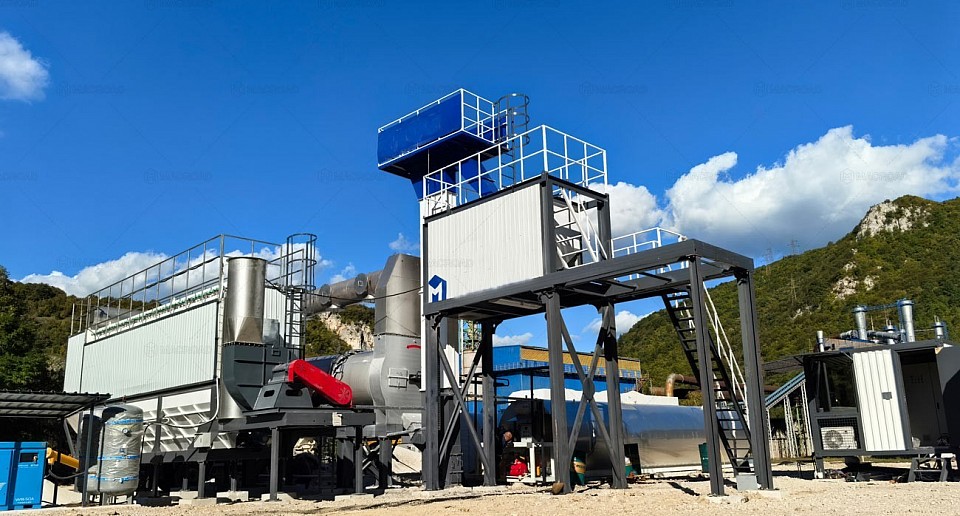
Understanding Aggregate Characteristics
To effectively tailor the material adaptation parameters of drum mix asphalt plants, asphalt plant suppliers must first understand the characteristics of local aggregates. Different regions possess unique geological formations, which can lead to variations in aggregate size, shape, density, and absorption rates. For instance, heavier aggregates with higher density might require different mixing times and temperatures compared to lighter aggregates with lower density.
By conducting thorough analyses of local aggregate properties, suppliers can adjust the drum mix plant configuration accordingly. This includes modifying the mixing speed, temperature controls, and timing to ensure that the aggregates bond effectively with the asphalt binder. Understanding these unique characteristics allows suppliers to provide tailored solutions, thereby enhancing the overall quality and durability of the asphalt mix produced.
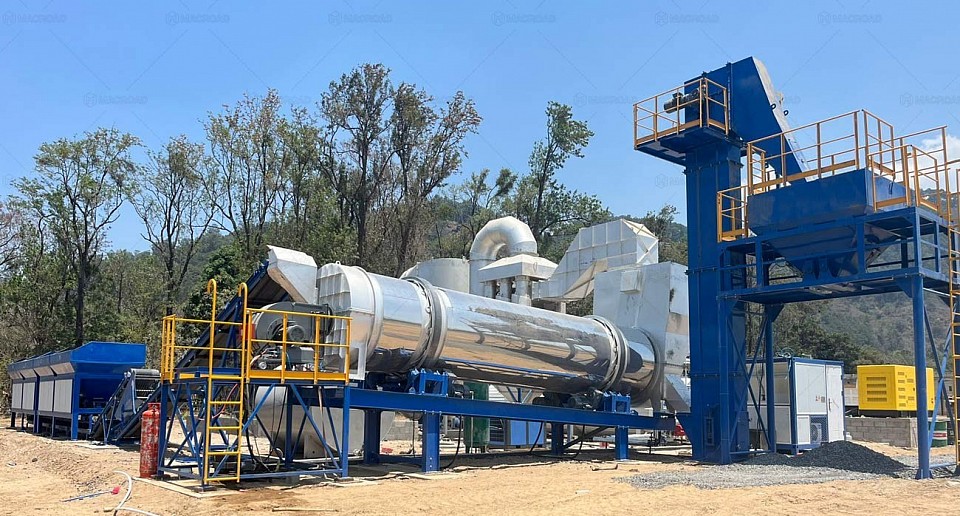
Adapting to Asphalt Binder Properties
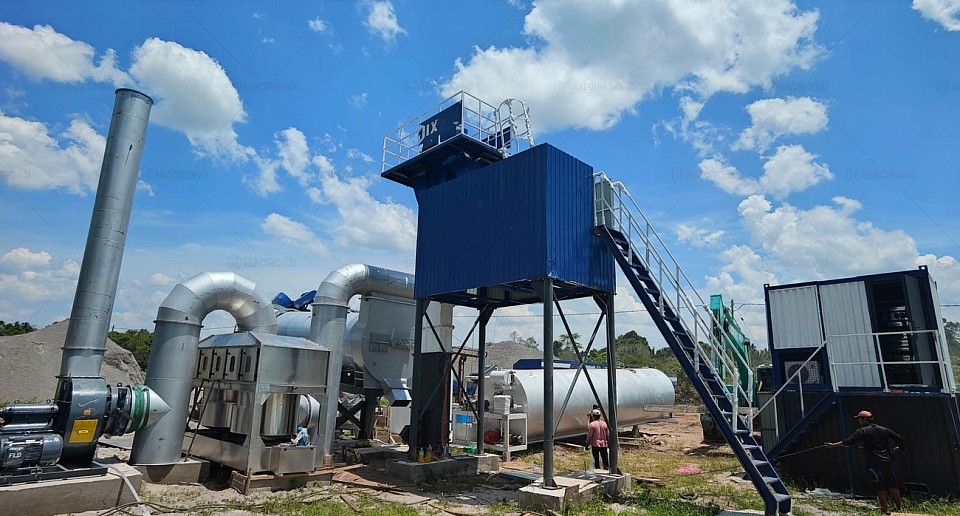
Equally important is the adaptation of parameters in response to the properties of asphalt binders used in various regions. Different types of binders—whether they are polymer-modified, high-RAP (recycled asphalt pavement), or conventional—exhibit varying performance characteristics under different environmental conditions. Asphalt plant suppliers need to consider these attributes when configuring mixing parameters.
For example, polymer-modified binders may require higher mixing temperatures and longer mixing times to achieve the desired consistency and performance. By evaluating the specific asphalt binder characteristics, suppliers can adjust the heating systems and mixing strategies in the drum mix asphalt plant. This tailored approach ensures that clients achieve optimal adhesion and performance, directly influencing the longevity and effectiveness of the resulting pavement.
Implementing Real-Time Monitoring and Adjustments
In addition to understanding material characteristics, asphalt plant suppliers can enhance adaptability through real-time monitoring systems. By integrating advanced technologies such as sensors and digital control systems, suppliers can continuously assess the quality of the mix during production. This real-time data can inform immediate adjustments to the mixing process based on the current properties of both aggregates and binders.
For instance, if the moisture content in the aggregates changes unexpectedly, the system can automatically alter mixing parameters to maintain the right consistency. This capability not only helps in ensuring the quality of the asphalt mix but also reduces waste and operational inefficiencies. Implementing such technology fosters a responsive production environment, which is crucial in meeting the diverse needs of clients while maximizing the performance of drum mix asphalt plants.
Conclusion
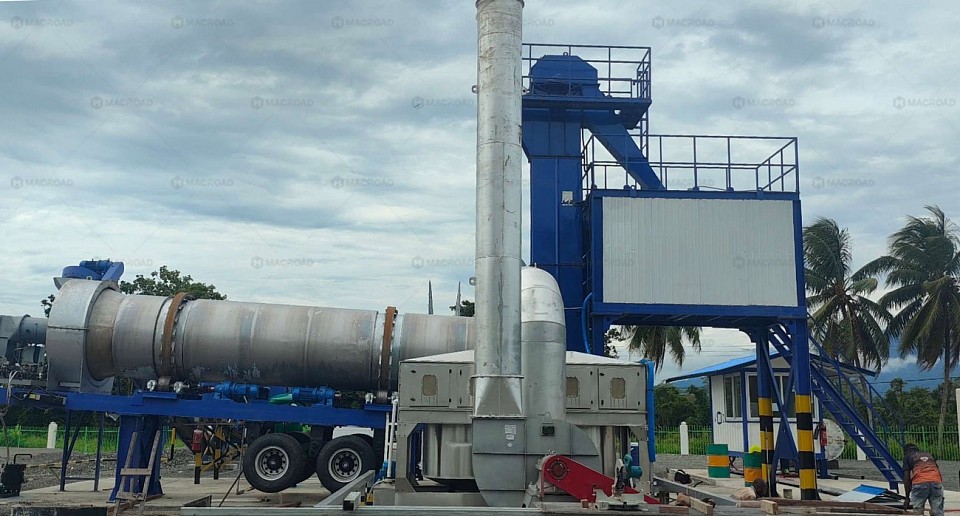
In conclusion, asphalt plant suppliers play a vital role in tailoring the material adaptation parameters of drum mix asphalt plants to cater to the distinct characteristics of different regional aggregates and asphalt binders. By understanding aggregate properties, adapting to binder specifications, and implementing real-time monitoring technologies, suppliers can enhance the mixing process and improve overall asphalt quality. This customized approach not only supports clients in achieving their specific project goals but also promotes the development of durable and high-performing asphalt pavements, ultimately benefiting wider infrastructural integrity and longevity.