
Digital Twin Technology Reshapes Asphalt Mixing Plants
The integration of digital twin monitoring and predictive maintenance functions in asphalt drum mix plants is transforming the operational intelligence and long-term reliability of asphalt mixing plants. As the industry moves towards smart infrastructure, these technologies allow for better decision-making and enhanced efficiency. Understanding how these innovations affect asphalt mixing plants can help contractors leverage them for improved performance and lower operational costs.
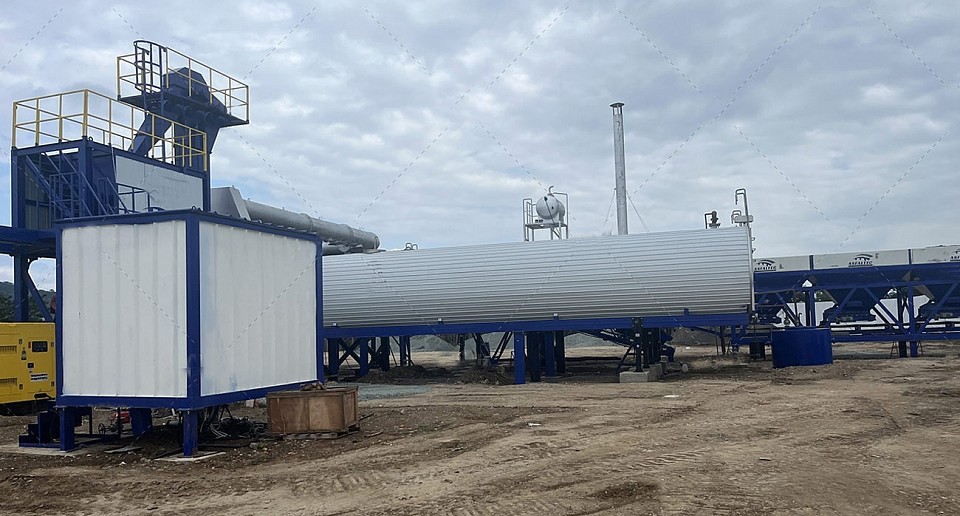
Understanding Digital Twin Technology
Digital twin technology creates a virtual model of physical assets, allowing real-time monitoring of the asphalt drum mix plant's performance. This digital replica tracks various parameters, such as temperature, mixing times, and material consistency. By analyzing this data, operators can gain insights into the plant's operations and identify any inefficiencies before they escalate into costly issues.
With continuous monitoring provided by digital twins, contractors can optimize mixing processes to enhance the quality of the asphalt produced. Immediate access to operational data allows for quick adjustments, resulting in a more consistent end product. This capability not only improves asphalt quality but also increases the overall efficiency of asphalt mixing plants, making it a valuable tool for modern construction projects.
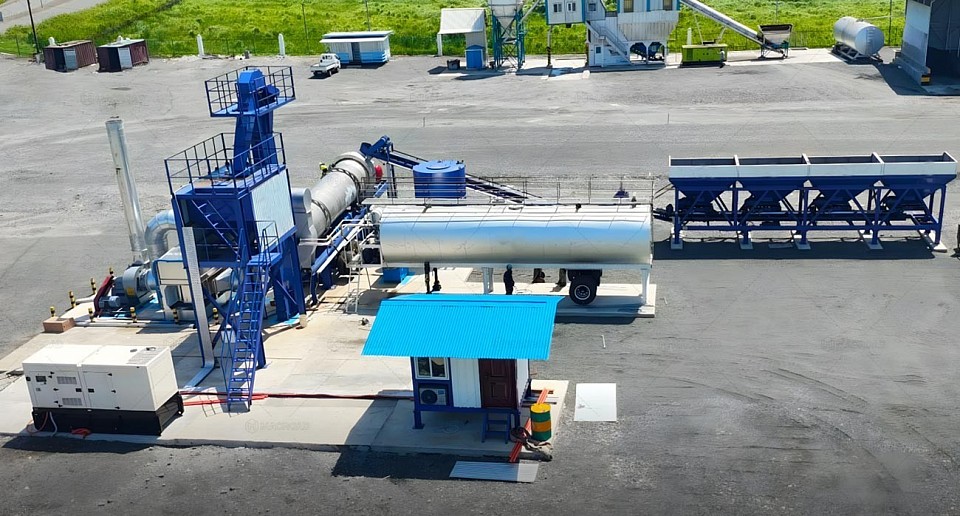
Predictive Maintenance for Enhanced Reliability
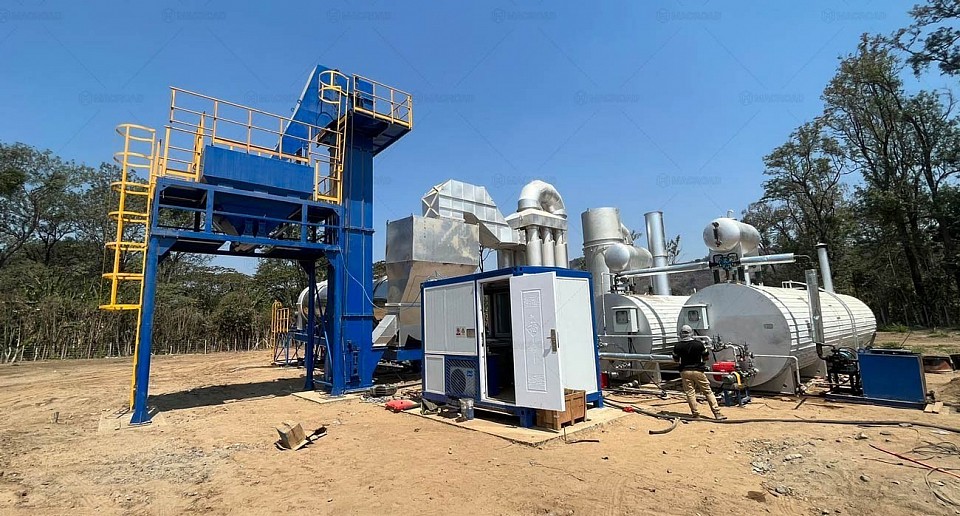
Alongside digital twins, predictive maintenance functions play a crucial role in enhancing the reliability of asphalt mixing plants. By utilizing data analytics, this technology predicts when equipment may fail or require maintenance. This proactive approach is vital for asphalt drum mix plant, where operational interruptions can lead to significant financial losses.
By implementing predictive maintenance strategies, contractors can schedule maintenance activities during non-peak hours, thereby minimizing downtime. This strategic planning helps ensure that production remains uninterrupted, which is especially important for large-scale projects. The result is enhanced reliability and reduced maintenance costs, allowing contractors to focus on delivering projects on time and within budget.
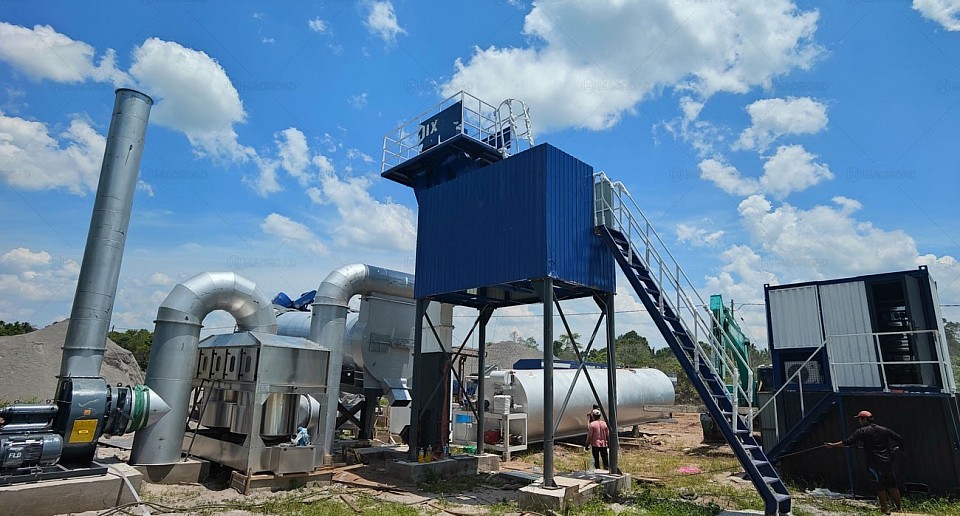
Operational Intelligence in Smart Infrastructure
The integration of digital twin monitoring and predictive maintenance into asphalt mixing plants contributes to a new era of operational intelligence in smart infrastructure. By leveraging real-time data, contractors can optimize their operations, leading to better resource management, higher productivity, and improved quality control. These advancements support the growing demand for sustainable construction practices as more projects aim to reduce emissions and waste.
Moreover, the ability to analyze historical performance data allows contractors to make informed decisions regarding equipment upgrades and resource allocation. The insights gained from these technologies promote continuous improvement, ensuring that asphalt mixing plants not only meet current demands but are also prepared for future challenges in the evolving construction landscape.
Conclusion
In conclusion, the integration of digital twin monitoring and predictive maintenance functions in asphalt drum mix plants is reshaping the operational intelligence and long-term reliability of asphalt mixing plants. By enabling real-time monitoring and predictive analytics, these innovations provide contractors with the tools needed to optimize performance and reduce operational costs. As the industry embraces smart infrastructure, utilizing these advanced technologies will be essential for maintaining competitiveness and achieving project success. By adopting digital solutions, contractors can enhance the reliability and efficiency of their asphalt mixing plants, paving the way for a more sustainable future in construction.